
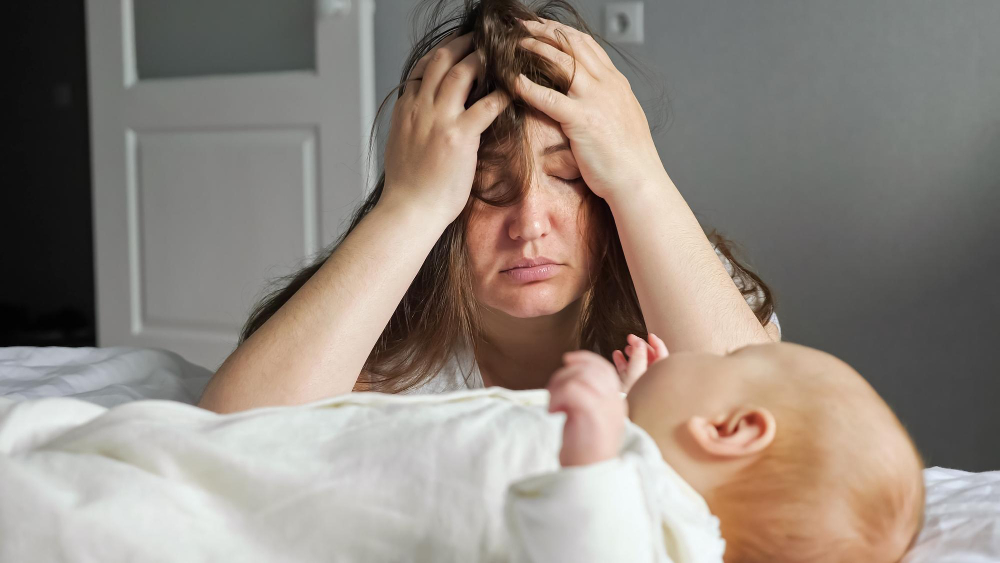
What Is Postpartum Depression?
After having a baby, many women feel sad or worried. This is often called the “baby blues.” However, postpartum depression is different. It is a more serious mood disorder that can start soon after childbirth. Unlike the baby blues, postpartum depression lasts longer and can affect daily life. According to the CDC, about 1 in 8 women in the United States experience symptoms of postpartum depression. While anyone can be affected, some mothers may be at higher risk. For this reason, it is important to know the signs and seek help if needed.
Symptoms of Postpartum Depression
Sometimes, it can be hard to tell the difference between baby blues and postpartum depression. Yet, certain signs of postpartum depression last longer and feel stronger. For example, symptoms may include:
Because these symptoms can affect both mother and baby, early support for new mothers is important.
Causes and Risk Factors
Postpartum depression does not have a single cause. Instead, it can result from a mix of physical, emotional, and social changes. For instance, hormone levels drop quickly after birth, which can affect mood. In addition, other risk factors may include:
Because each mother is different, not everyone with these risk factors will develop postpartum depression. Still, knowing them can help families prepare and seek help early.
How Postpartum Depression Is Diagnosed
Doctors use simple questions and checklists to spot signs of postpartum depression. For example, they may ask about mood, sleep, and daily activities. Sometimes, they use tools like the Edinburgh Postnatal Depression Scale. In many places, doctors screen new mothers during checkups. However, some women may not talk about their feelings right away. Therefore, family and friends can help by noticing changes and encouraging mothers to speak up. If you live in a city with many resources, local clinics and hospitals may offer special screenings for new mothers.
Treatment Options for Postpartum Depression
There are several treatment options for postpartum depression. With the right help, most women start to feel better. Treatment for postpartum depression may include:
Because every mother is unique, doctors work with each woman to find the best plan. In some areas, telehealth visits make it easier to get help from home.
Tips for Coping and Support
While postpartum depression can feel overwhelming, many mothers find relief with support. For example, you can try these tips:
Because support for new mothers is so important, many cities offer local hotlines or online resources. The CDC and WHO also provide helpful information and links to support services.
Prevention and Early Intervention
Although not all cases can be prevented, early steps can lower the risk of postpartum depression. For instance, you can:
Because early intervention makes a big difference, reaching out quickly can help mothers recover faster. In many locations, hospitals and clinics offer classes and resources to prepare families for the postpartum period.
Conclusion
If you are struggling with postpartum depression, Pravallika Vellanki can help. Book a consultation with Dr. Pravallika Vellanki to get caring support and guidance.