
What Is Laparoscopic Myomectomy?
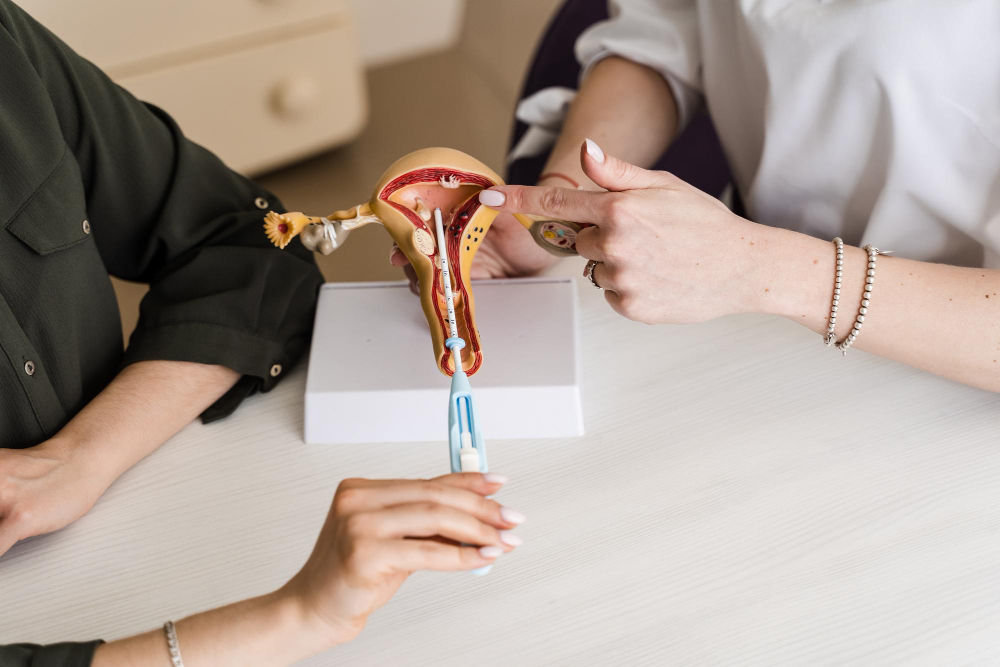
Laparoscopic myomectomy is a type of minimally invasive fibroid removal surgery. Doctors use small cuts and a camera to remove fibroids from the uterus. Because the cuts are small, healing is often faster than with open surgery. Many women choose this method because it helps preserve fertility. In fact, laparoscopic myomectomy is a top choice for women who want to have children in the future. According to the CDC, fibroids are common, but not all need surgery. However, when symptoms are severe, surgery may be needed.
Symptoms and Impact of Uterine Fibroids
Uterine fibroids are non-cancerous growths in the uterus. While some women have no symptoms, others may notice changes. For example, you might experience:
Because fibroids can grow, they may press on other organs. This can cause discomfort or even affect fertility. The World Health Organization notes that fibroids are a leading cause of hysterectomy worldwide. Yet, many women can avoid this with less invasive options.
Causes and Risk Factors for Fibroids
Doctors do not know the exact cause of fibroids. However, several risk factors may increase your chance of getting them. For instance, you may be at higher risk if you:
Hormones, especially estrogen, can also play a role. Because of this, fibroids often shrink after menopause. Still, not all women with risk factors will develop fibroids.
How Laparoscopic Myomectomy Works
During laparoscopic myomectomy, the surgeon makes a few small cuts in the belly. Next, a thin tube with a camera is placed inside. This allows the doctor to see the fibroids and remove them with special tools. Because the cuts are tiny, there is less pain and scarring. Most women go home the same day or after one night. In many cases, recovery is quicker than with traditional surgery. The goal is to remove fibroids while keeping the uterus healthy.
Benefits of Laparoscopic Myomectomy for Fertility
Many women worry about their ability to have children after fibroid removal. However, laparoscopic myomectomy is designed to protect fertility. For example, this surgery:
According to studies in medical journals, many women become pregnant after this surgery. Still, your doctor will discuss your personal chances based on your health and type of fibroids.
Diagnosis and Candidacy for Surgery
Not everyone with fibroids needs surgery. First, your doctor will ask about your symptoms and health history. Next, you may have an ultrasound or MRI to see the size and location of the fibroids. Because some fibroids are small or cause no problems, your doctor may suggest watchful waiting. However, you may be a good candidate for laparoscopic myomectomy if you:
In some cases, other treatments may be better. Your doctor will help you decide what is right for you.
Recovery and Aftercare
After laparoscopic myomectomy, most women recover quickly. For example, you may go home the same day. However, you should rest for a few days and avoid heavy lifting. Most women return to normal activities within two weeks. Because the cuts are small, pain is usually mild. Your doctor may give you medicine for pain if needed. It is important to follow all aftercare instructions. Watch for signs of infection, such as fever or redness. If you plan to get pregnant, ask your doctor when it is safe to try.
Prevention and Lifestyle Tips
While you cannot always prevent fibroids, healthy habits may help lower your risk. For instance, you can:
Because early detection can help, talk to your doctor if you notice symptoms. Although fibroids are common, many women live healthy lives with the right care and support.